
Spectrogram Basics
How to Read a Bird Song Spectrogram
A walkthrough of spectrogram axes, frequency bands, and the visual signatures that distinguish trill patterns, whistles, and harmonic stacks in common passerines.
Read articleSpectrograms, seasonal timing windows, and call pattern notes for common songbirds recorded across Canadian provinces during the spring and summer breeding season.
Articles
Three focused articles covering spectrogram reading, chorus timing, and individual species call characteristics for Canadian habitats.
Spectrogram Basics
A walkthrough of spectrogram axes, frequency bands, and the visual signatures that distinguish trill patterns, whistles, and harmonic stacks in common passerines.
Read article
Seasonal Timing
How first-light onset, latitude, and temperature shape the timing and intensity of the morning chorus from British Columbia through the Maritime provinces.
Read article
Species Calls
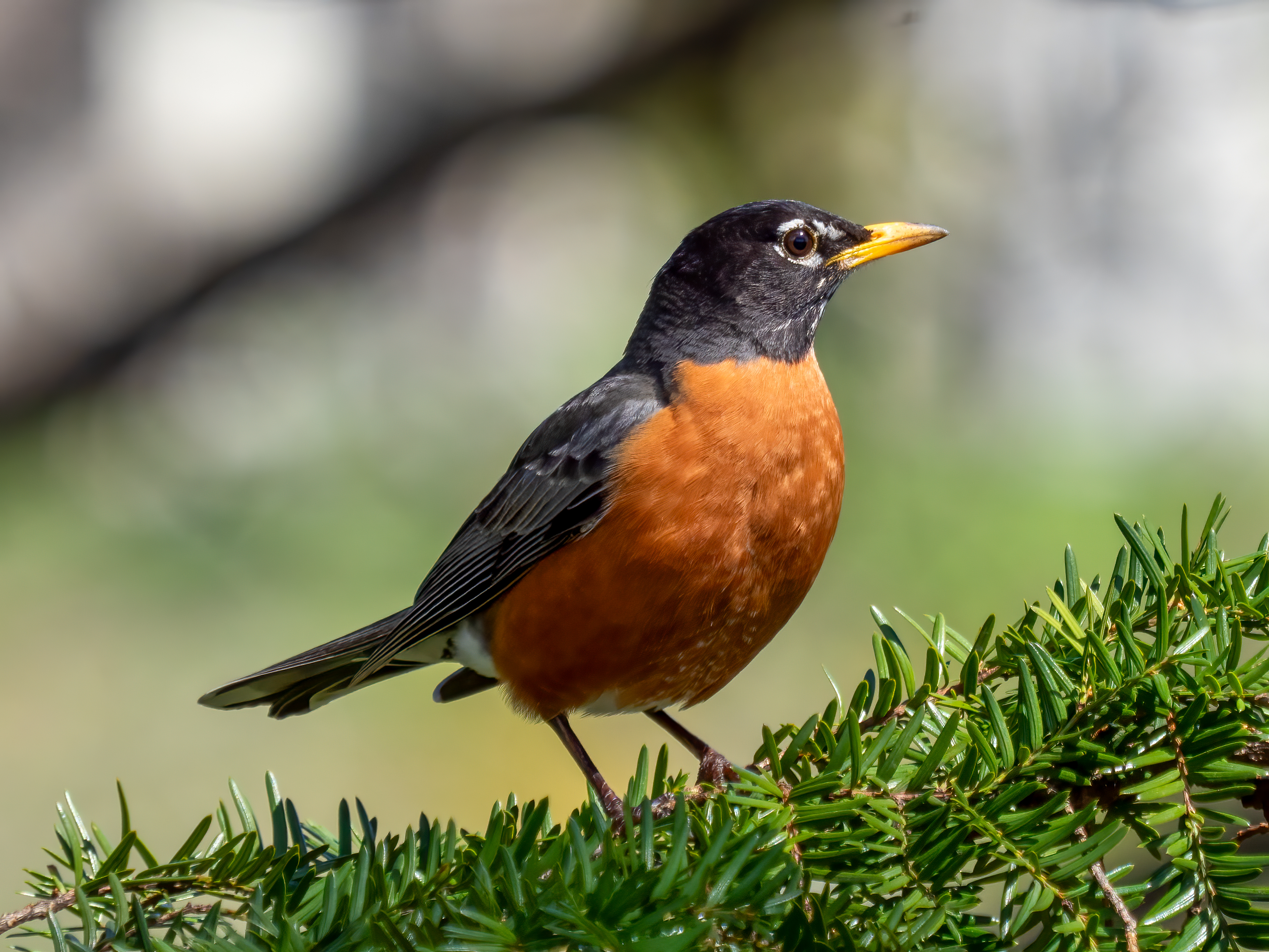
Call pattern notes for twelve frequently heard species including American Robin, White-throated Sparrow, Song Sparrow, and Black-capped Chickadee.
Read articleQuick Reference
Why Birds Sing at Dawn
Sound carries further in the cool, calm air of early morning when atmospheric turbulence is minimal. Males use this acoustic window to establish territory boundaries and attract mates before foraging begins.
Species Sequence
Individual species typically begin singing at characteristic light-level thresholds, producing a predictable sequence. In Ontario, American Robins and Red-winged Blackbirds often lead, followed by sparrows and warblers as light increases.
Reading Spectrograms
A spectrogram plots time on the horizontal axis and frequency (pitch) on the vertical axis. Brightness indicates amplitude. The visual shape of a call — whether it sweeps upward, stays flat, or pulses repeatedly — reflects its acoustic structure.
About This Site
Morning Corner covers the acoustic side of bird identification — how spectrograms work, when the chorus happens in different regions, and what distinguishes the calls of species commonly heard in Canadian forests, fields, and urban greenspaces. Content draws on publicly available ornithological resources and audio databases.
About this site